Where AI pays for itself, and where it does not
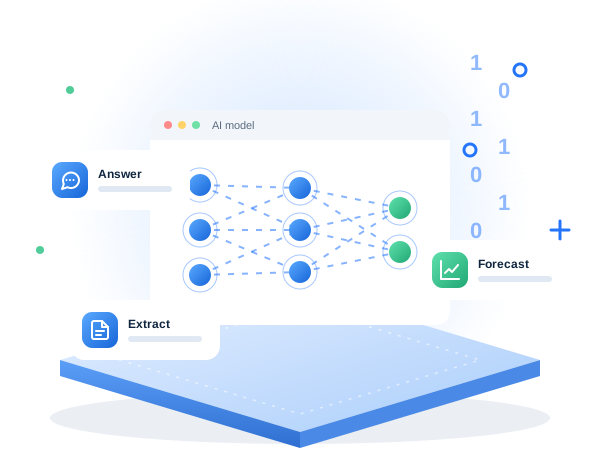
Most AI projects that disappoint started with the technology instead of the problem. We start by finding a task that is repeated often, follows a pattern and costs real hours or money: answering the same customer questions, typing data out of PDFs, guessing how much stock to order, or checking photos by eye.
For each task we pick the simplest approach that works. Sometimes that is a large language model such as GPT, Claude or Gemini connected to your data. Sometimes it is a classic machine learning model trained on your own history, which is cheaper to run and easier to explain. And sometimes a plain rule or automation does the job without AI at all, and we will tell you so.
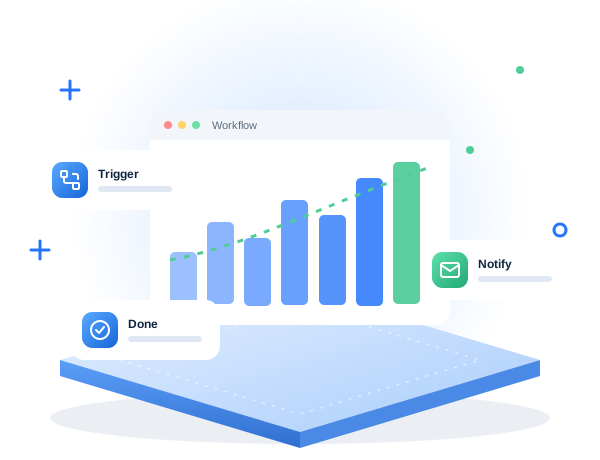
Everything we build has a measurable target agreed up front, such as time saved per week, forecast accuracy or the share of tickets answered without a person, and a human review step wherever a mistake would be costly.
- Proof of concept on your real data first
- Private by default: your data is not used to train public models
- Human review for decisions that matter
- Cost per request and accuracy reported monthly